
REVIEW – Audio has always been the part of my amateur video work that lets me down. The built-in mics on phones and cameras just cannot capture the full range of sound, so my videos never quite hit that professional mark. Then I tested the Godox Virso S M2 Wireless Microphone System, and I think I finally found what was missing. At a competitive $299, this high-quality system sounds excellent, and what sets it apart is that the transmitters and the receiver all have microphones, so you can record or interview three people at once.
The Basics
The Godox Virso S M2 is a 2.4GHz wireless microphone system with both internal and external microphones for capturing audio. It can record onto SD memory cards or pipe audio to a device such as a computer, camera, or smartphone. The Virso S is built specifically to pair well with Sony cameras. The Virso S M2 system includes one receiver with a small screen and two transmitters, all fitted with internal microphones.
In the Box


- Virso S TX M2 Transmitter x 2
- Virso S RX Receiver
- Three-way USB-A to USB-C Charging / Data Cable
- Mic Windscreen x 2
- 3.5mm TRS-TRRS Audio Cable
- 3.5mm TRS-TRS Audio Cable
- Omnidirectional Lavalier Microphone (LMS-12B AX) x 2
- Hotshoe Cover
- Storage Bag
- User manual

By the Numbers

- Transmission Type: 2.4GHz Frequency Hopping System
- Polar Pattern: Omnidirectional
- Sensitivity: -32dB±2dB
- Signal to Noise Ratio: ≥70dB
- THD: 0.03%
- Frequency Range: 50Hz-18KHz
- Max SPL: 110dB
- Dynamic Range: 90dB
- Power Supply: Built-in Lithium Battery
- Battery Capacity:
- Virso TX: 400mAh
- Virso S RX: 600mAh
- Type-C Input Parameters:
- Virso TX: 5V/0.32A
- Virso S RX: 5V/0.6A
- Battery Life:
- Virso TX: Approx 13h
- Virso S RX: Approx 17h
- Working Environment Temperature: -10℃~50℃
- Working Range Max. Wireless Transmission Distance: 200m
- Dimensions:
- Virso TX: 50×50×16mm
- Virso S RX: 52×50×16mm
- Net Weight:
- Virso TX: 33g
- Virso S RX: 40g
- Connectors:
- USB-C
- 3.5 mm Audio Jack
Design and Build
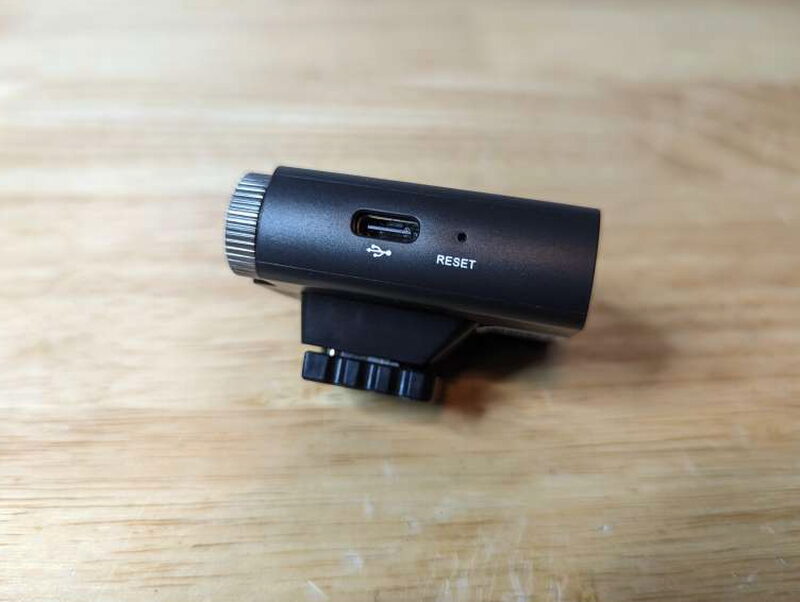
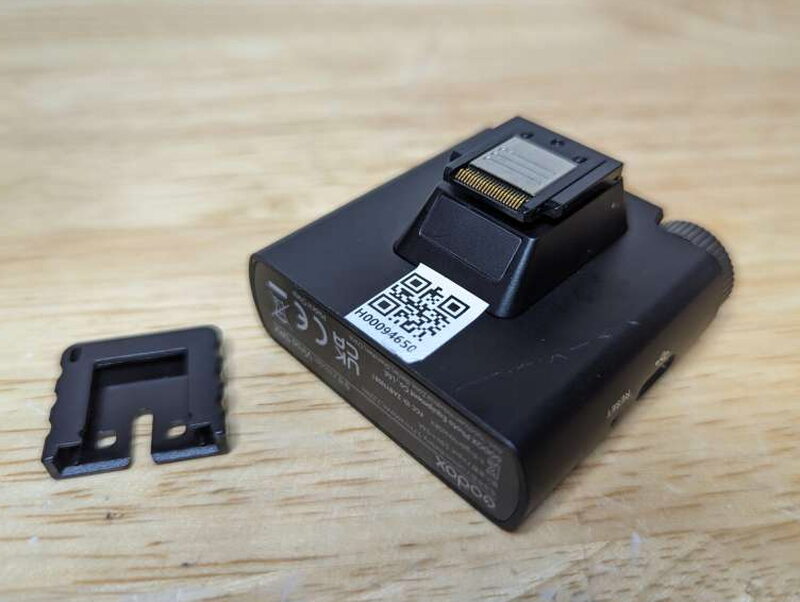
The Virso S M2’s design is simple with a nice retro flavor. The bodies of the receiver and transmitters are made of black ABS plastic with a smooth finish. Those rounded edges on the components, plus the oversized dials and buttons, are something I really love.






Getting Started
Setting up the Virso S M2, like most new gadgets, starts with making sure all the batteries are fully charged. That clever three-way USB-C charging cable makes charging the receiver and transmitters very easy. Once charging is done, you need to link the transmitters to the receiver. My system came already linked out of the box, but if yours doesn’t, it’s a simple process spelled out in the user manual.

Getting the Virso S M2 ready to use means picking the right microphones for the recording situation. You can go with the internal mics, either with or without windscreens.


After charging, all that’s left is connecting the receiver to your recording device. In my case I used my GoPro HERO8 Black and ran the audio-out port from the receiver into the audio-in port on the camera, using the supplied 3.5mm TRS-TRS cable. If you’re using a memory card instead of a recording device, just make sure it’s formatted correctly and seated properly in the right transmitter.
Living With It
The Virso S M2 performed very well in my tests. It has a listed transmission range of about 656 feet in an open area, and while I never got anywhere near that distance, I was impressed by how clear the audio stayed as I moved away from the transmitters.
Battery life didn’t let me down either, with the transmitters lasting close to the claimed 13-hour battery life and the receiver going about 15 hours. Being able to easily check the battery levels on the receiver’s screen was really handy. Another great touch is that the receiver can charge while it’s running. With that option, attaching a battery pack to the receiver would let you handle marathon audio recording sessions.

The transmitters were easy to clip onto subjects and small enough to stay conveniently out of sight during recording.
I ran a series of test recordings using both the lavalier microphones and condenser microphones at various gain levels. I also grabbed a reference recording with the microphone on my GoPro HERO8 Black.
Sample Recordings
This opening recording serves as a baseline audio check of my GoPro HERO8 Black.
Here’s a recording of the transmitter condenser mic dialed to low gain.
Here’s a recording of the transmitter condenser mic dialed to mid gain.
This sample captures the lavalier mic running at low gain.
This sample captures the lavalier mic running at mid gain.
All in all, I enjoy using the Virso S M2. It’s simple to operate, looks great yet stays quite inconspicuous, and delivers excellent audio quality. The system pairs well with my GoPro HERO8 Black and is easy to use right out of the box.
The Good
- Battery and audio levels easy to see
- Ability to record three subjects at once
- Recording to SD cards is great as a backup
The Not So Good
- More mounting options should be included
- No USB power brick included
Quick Questions
Q: Can the Godox Virso S M2 transmitters record audio without a receiver connected?
A: Yes, each transmitter has a MicroSD slot and can record and store up to 400 hours of audio locally.
Q: How long does the battery last?
A: About 13 hours for the transmitters and roughly 17 hours for the receiver, matching close to JOBY’s claims in testing.
Q: Does it work with Sony cameras specifically?
A: Yes, the Virso S receiver has a genuine hot shoe bracket built for direct communication with compatible Sony cameras.
Q: Is a USB charging brick included?
A: No, that’s listed as a drawback; no USB power brick ships with the kit.
The Verdict
If you want great audio without a lot of hassle, the Godox Virso S M2 Wireless Microphone System is an excellent pick for content creators. It won me over by working flawlessly the second I switched it on. You get clear battery and audio level displays, the ability to save audio to a Micro SD Card, and the option to record a third subject through the mic built into the receiver. It doesn’t offer as many mounting options as something like the JOBY Wavo Air Wireless Lav Microphone Kit I reviewed in September, but the $299 price is competitive once you weigh the reliability, long battery life, and extra features.
Price: $299
Source: The sample of this product was provided by Godox.
RATING: 4 stars


